Unlocking the potential
of Untapped Real Estate Assets.
Unlocking the potential of Untapped Real Estate Assets.
More properties lack
a clear way to create value
than lack value itself.
PROFITZ views real estate not merely as "properties," but as "businesses," designing everything from usage, experience, and operations to investment based on user demand.


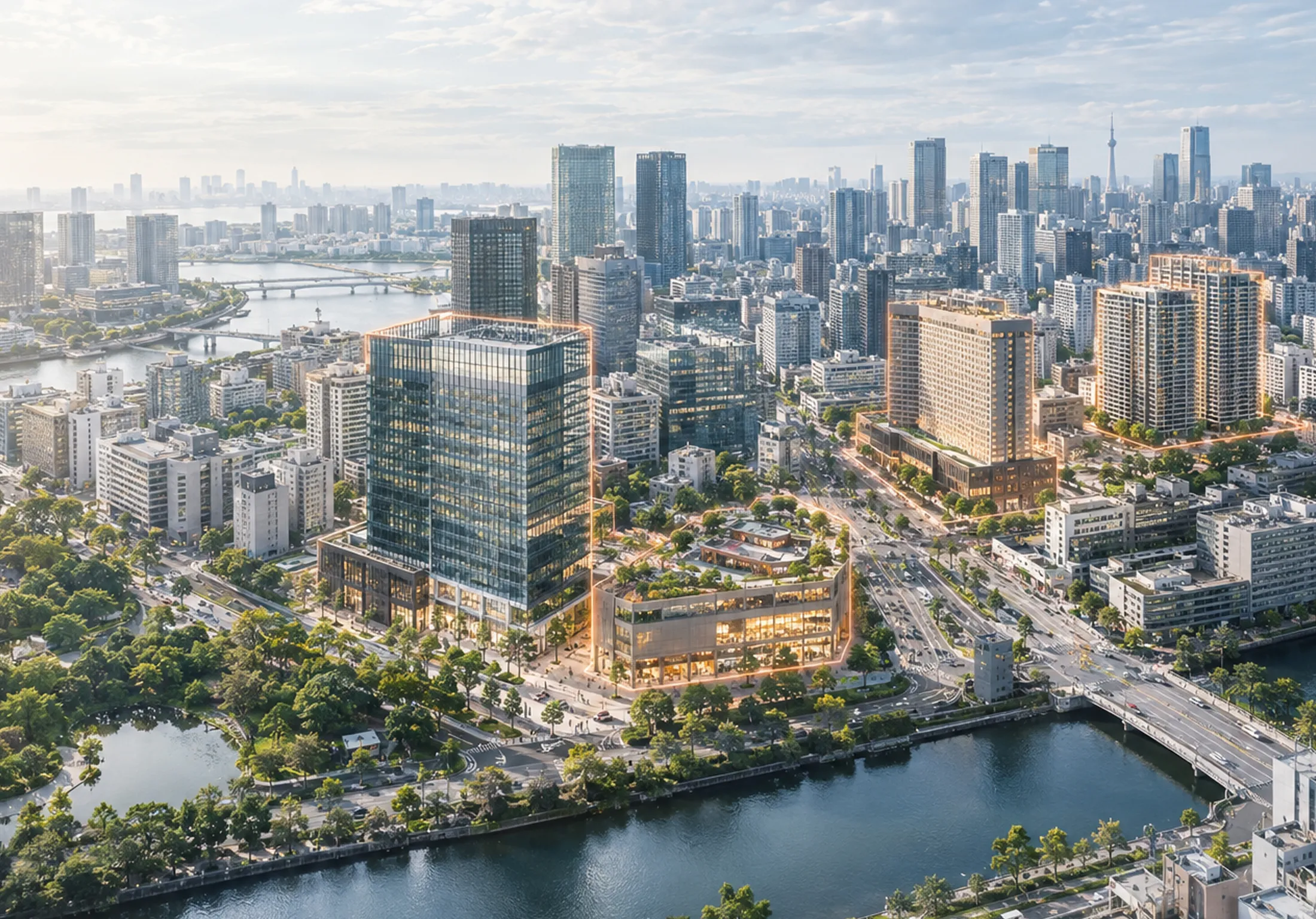
What is...
What are Untapped Real Estate Assets?

Low occupancy
Occupancy rates have declined, and the potential revenue opportunities are not being realized.

Mismatched usage
The building's usage no longer aligns with changes in the surrounding environment or demand.

Changes in the business environment
Changes in the market or society have made it difficult to continue with the current usage.

Uncirculated assets are
assets that have value,
but for which the management decision
on how to best utilize that value
has not yet been made.
Untapped Real Estate Assets are
off-market properties
whose full value
is not unlocked
by their current use
or ownership.
The “untapped real estate assets” PROFITZ focuses on are not simply properties that are not currently being bought or sold.
This does not include real estate that is already being utilized effectively and for which there is a clear rationale for long-term holding.
We focus on assets that are not fully realizing their potential due to low occupancy, mismatched usage, or changes in the business environment, and for which options such as redevelopment or commercialization have not yet been fully explored.
We believe that being “untapped” does not mean lacking value has not yet been translated into a management decision.

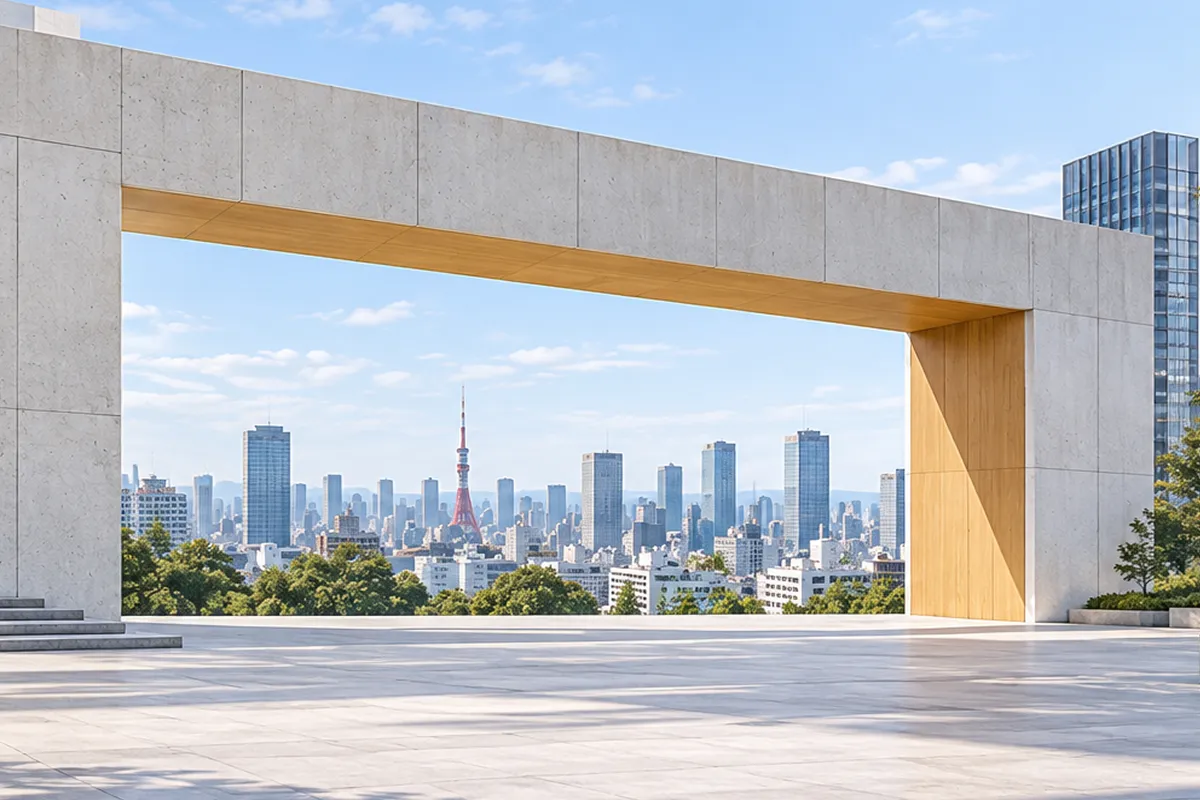
It has value.
But the next step for how to utilize it
has yet to be decided.
That is what PROFITZ defines as
“Untapped Real Estate Assets.”
It has value,
but its next purpose
has yet to be determined.
This is what Profits defines as
"uncirculated assets."
Asset size of
income-generating real estate in Japan
2025 Commercial
Real Estate Investment
*Because the two surveys differ in scope and definition, this is not a strictly identical population comparison.
Real estate traded on the market is only a fraction
of the massive real estate stock currently held.
Real estate traded on the market
is only a fraction
of the vast stock of
properties currently held.
Japan possesses a massive stock of real estate held by corporations and individuals. Estimates by the Value Management Institute and NLI Research Institute place the asset scale of Japan's income-generating real estate at approximately 352.1 trillion yen. Meanwhile, CBRE reports that commercial real estate investment in 2025 totaled approximately 6.5 trillion yen.
Because these two surveys differ in scope and definition, the figures do not represent a strictly identical population. However, a simple comparison shows that the annual market transaction volume is only about 1.8% of the total stock.
The point is not that the remaining 98% are "problem assets." It is that within this vast stock of holdings, there are real estate assets for which the method of unlocking value has yet to be determined.

Land and buildings owned by companiesremain on the balance sheet as fixed assets.
Many long-held real estate assets—such as headquarters, factories, dormitories, training facilities, retail stores, and rental buildings—can see their profitability and capital efficiency improved by reevaluating their use and operational methods.
If you continue to defer action while assets remain underutilized, mismatched with demand, and low-yielding, they will fail to generate value, contributing neither to cash flow nor to the enhancement of corporate value.
What remains unseen is not a list of potential divestments, but the untapped potential for value creation that has yet to be leveraged as a business resource.
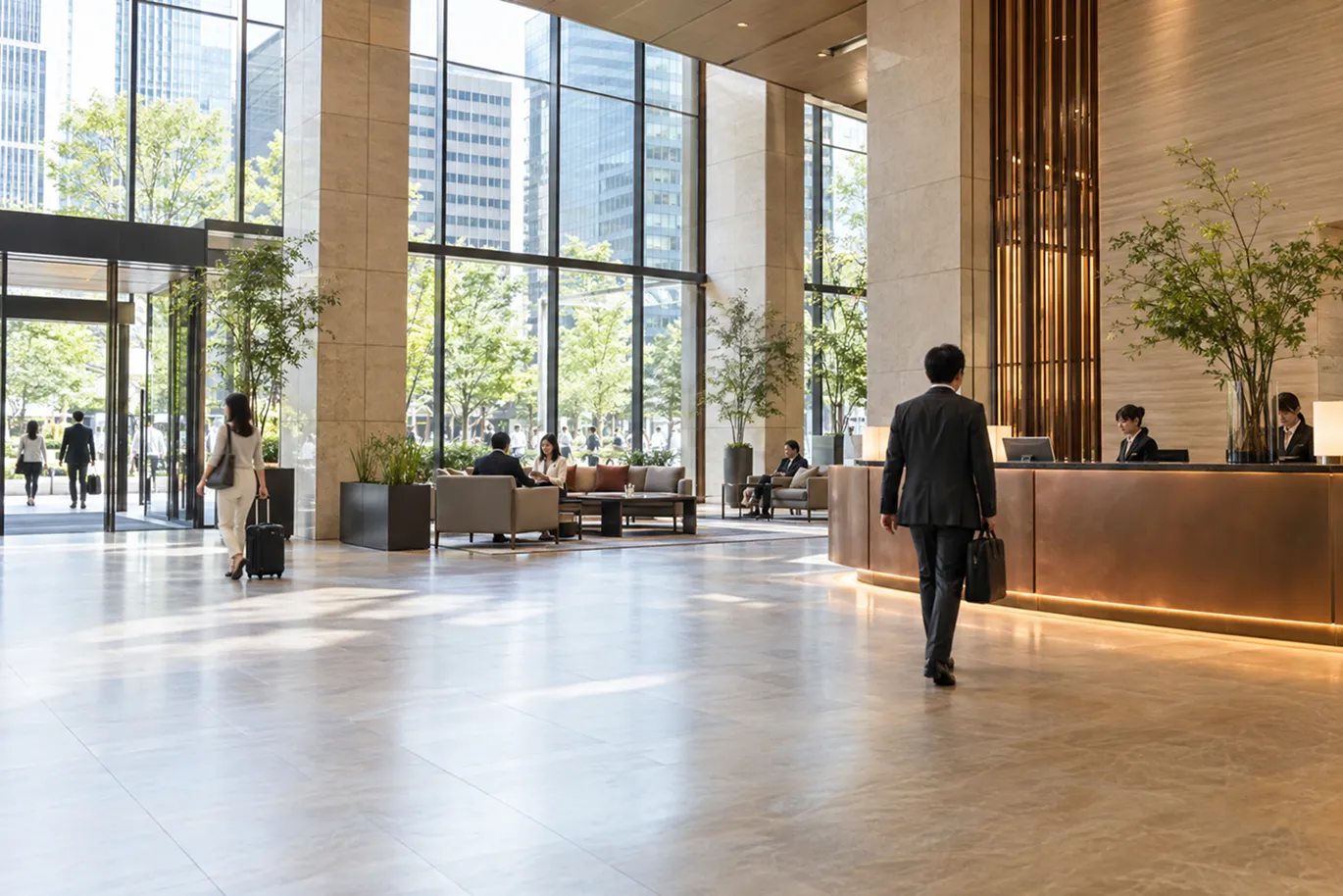
Why focus on
underutilized assets now?
Why focus on untapped real estate assets now?
Why Now


Thinking of real estate not as a "property," but as a
"business."
Thinking of real estate not as "properties,"
but as "businesses."
Looking only at location, square footage, building age, and rent won't always reveal the full potential of a property.
PROFITZ begins by identifying who the users are and what challenges or needs they face. From there, we build a comprehensive business model—encompassing use cases, products, experiences, pricing, and operations—all the way through to investment decisions and financing.
Insights
Design
Behavior
Rates
Branding and marketing are not just about final aesthetics; they are integral parts of a business strategy that defines exactly why a location is chosen.
When the design is right, user behavior changes.
Being chosen. Retaining customers. Encouraging repeat visits. Generating referrals. Achieving price points that reflect true value.
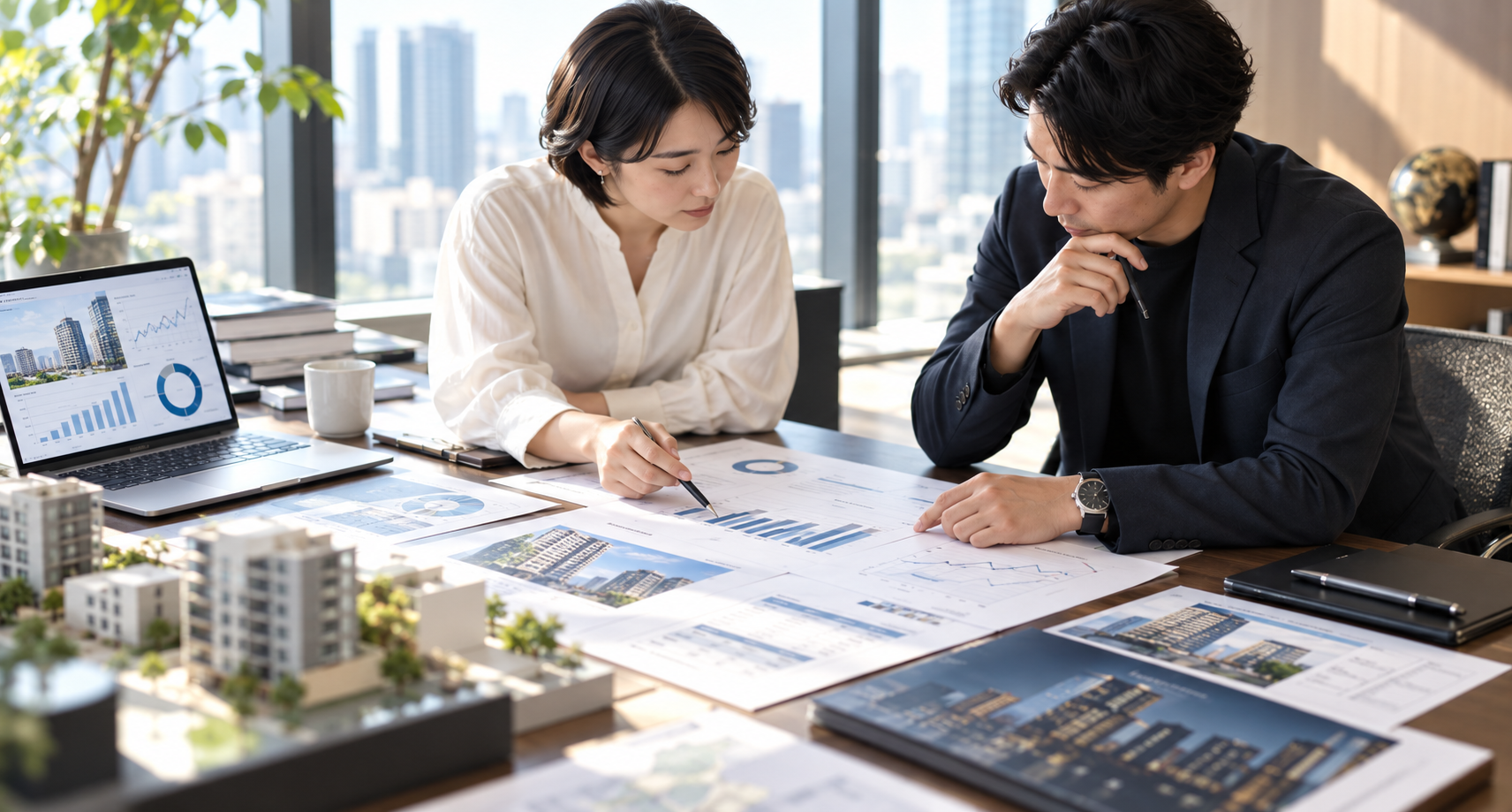
This transformation manifests as increased occupancy and rental rates for offices and residences, and higher occupancy and ADR for hotels.
At PROFITZ, we create value by ensuring that experiential quality goes beyond mere atmosphere, directly driving customer behavior and revenue.
Our Proposal
PROFITZ gets involved before a strategy is set, helping you compare multiple options.

Hold & Improve

Repurposing

Business Development

Sell
We don't just want to get involved after a decision like "sell," "rebuild," or "repurpose" has already been made.
From the moment you start thinking about what to do with a property, we review not just the location and the building itself, but also its relationship to your core business, its profitability, marketability, and future potential.
From there, we compare options: whether to retain and improve the property, change its use, launch a new business, or sell it if necessary. The key is not to commit to a single answer from the start.
We work with you from the moment you begin making those management decisions.

Case Studies in Value Creation
Instead of fixing existing uses, we identified new ways to utilize the space by focusing on unmet needs.
Instead of just repurposing existing uses,
we identified new ways to use space
based on unmet demand.
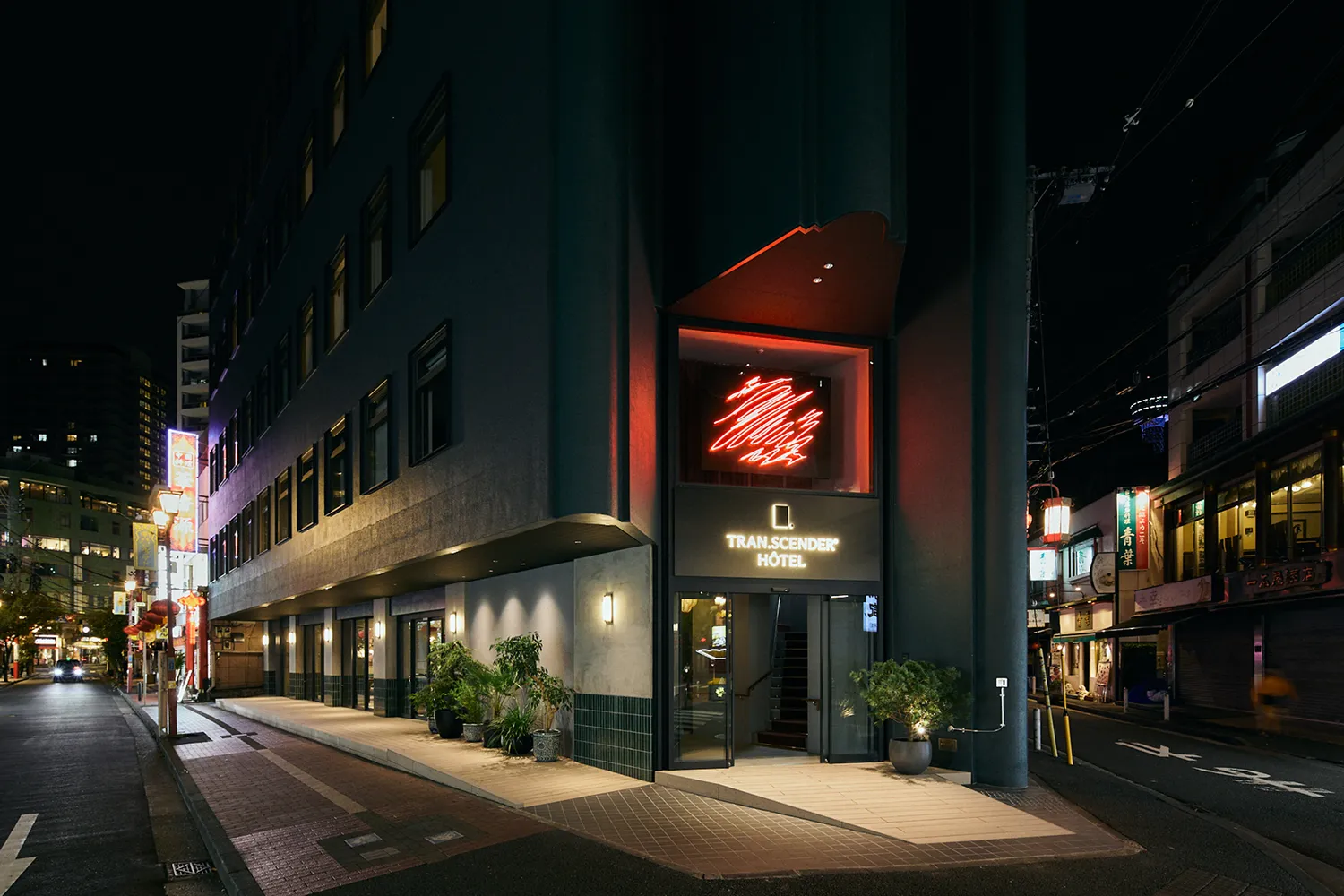
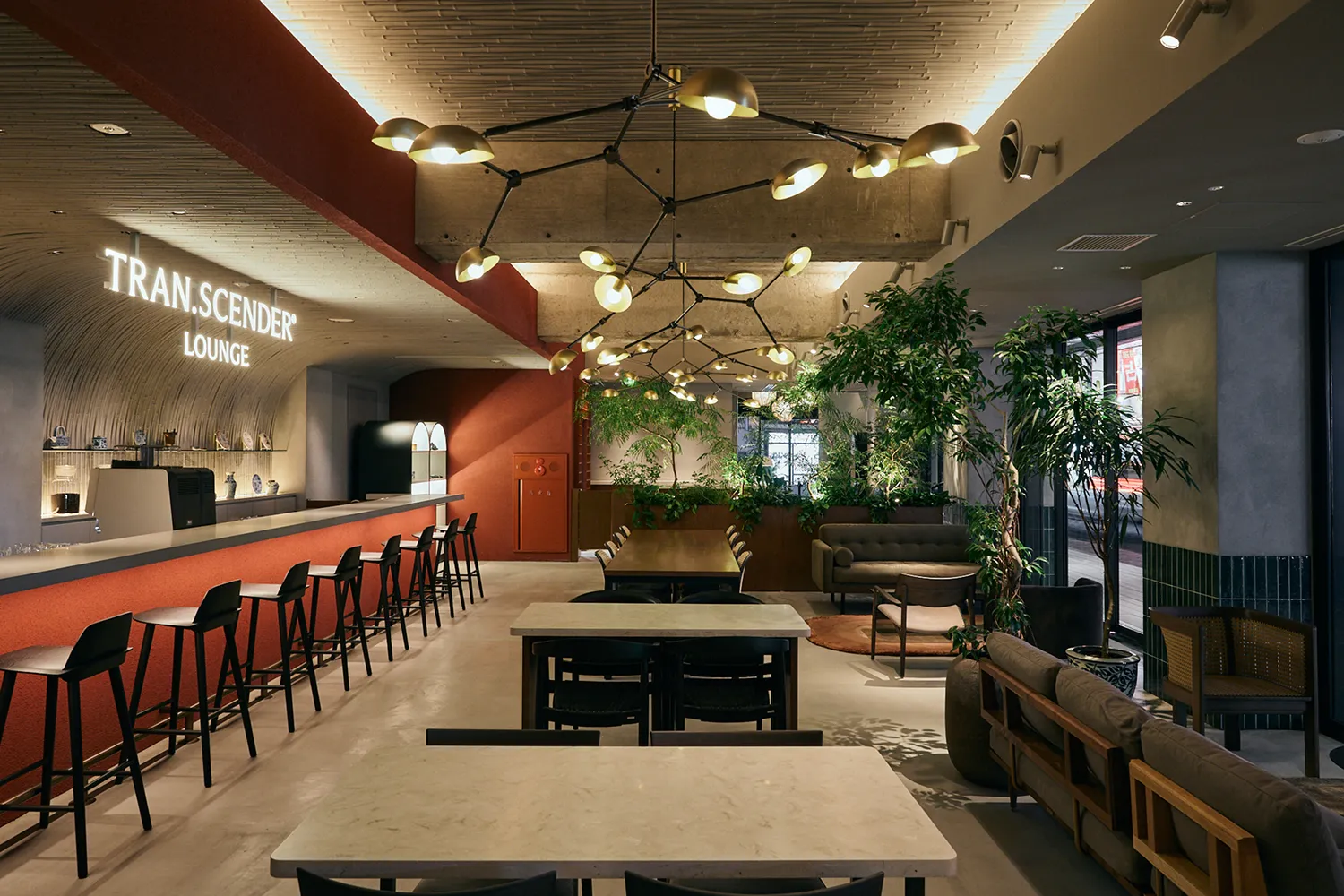
Why a hotel?
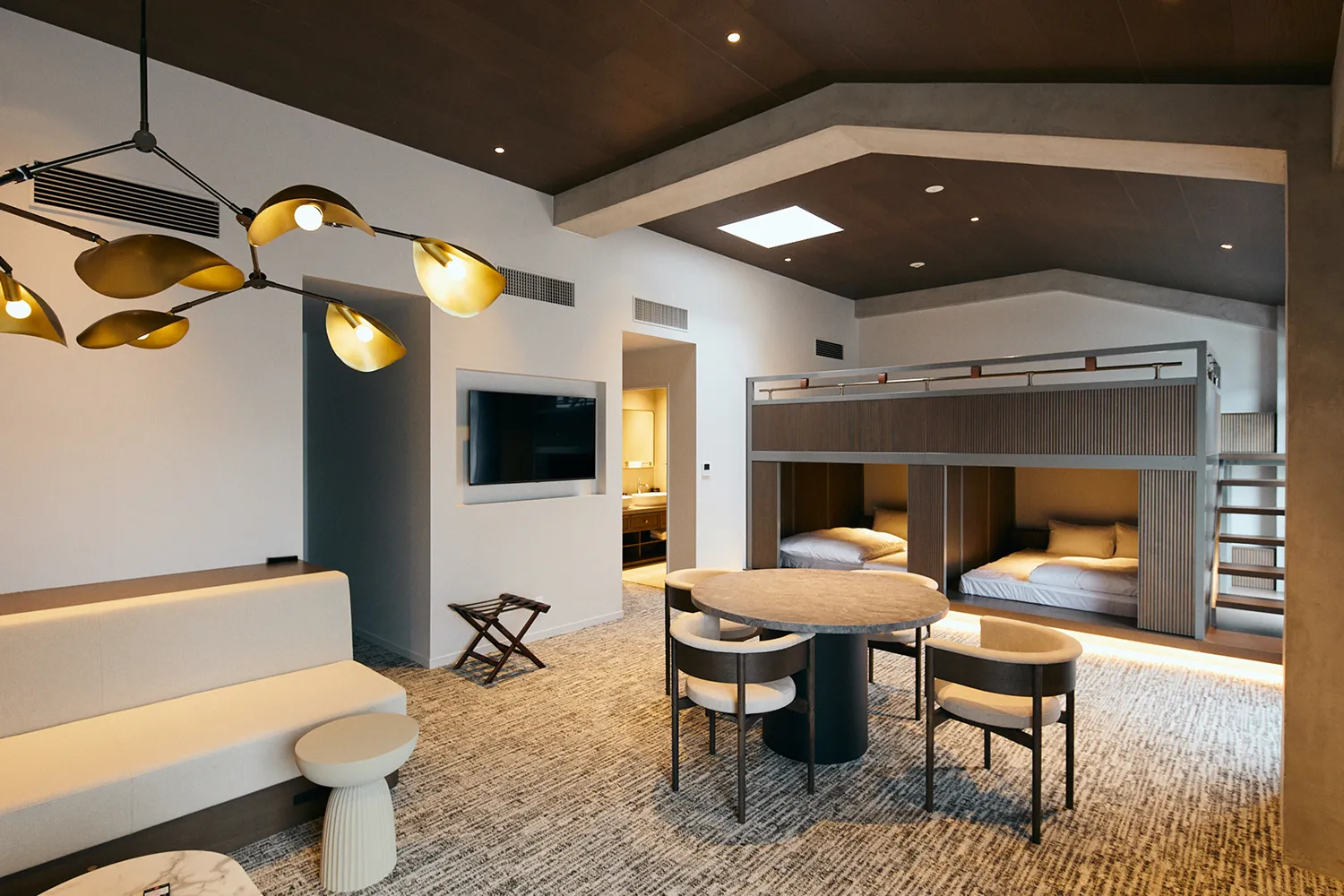
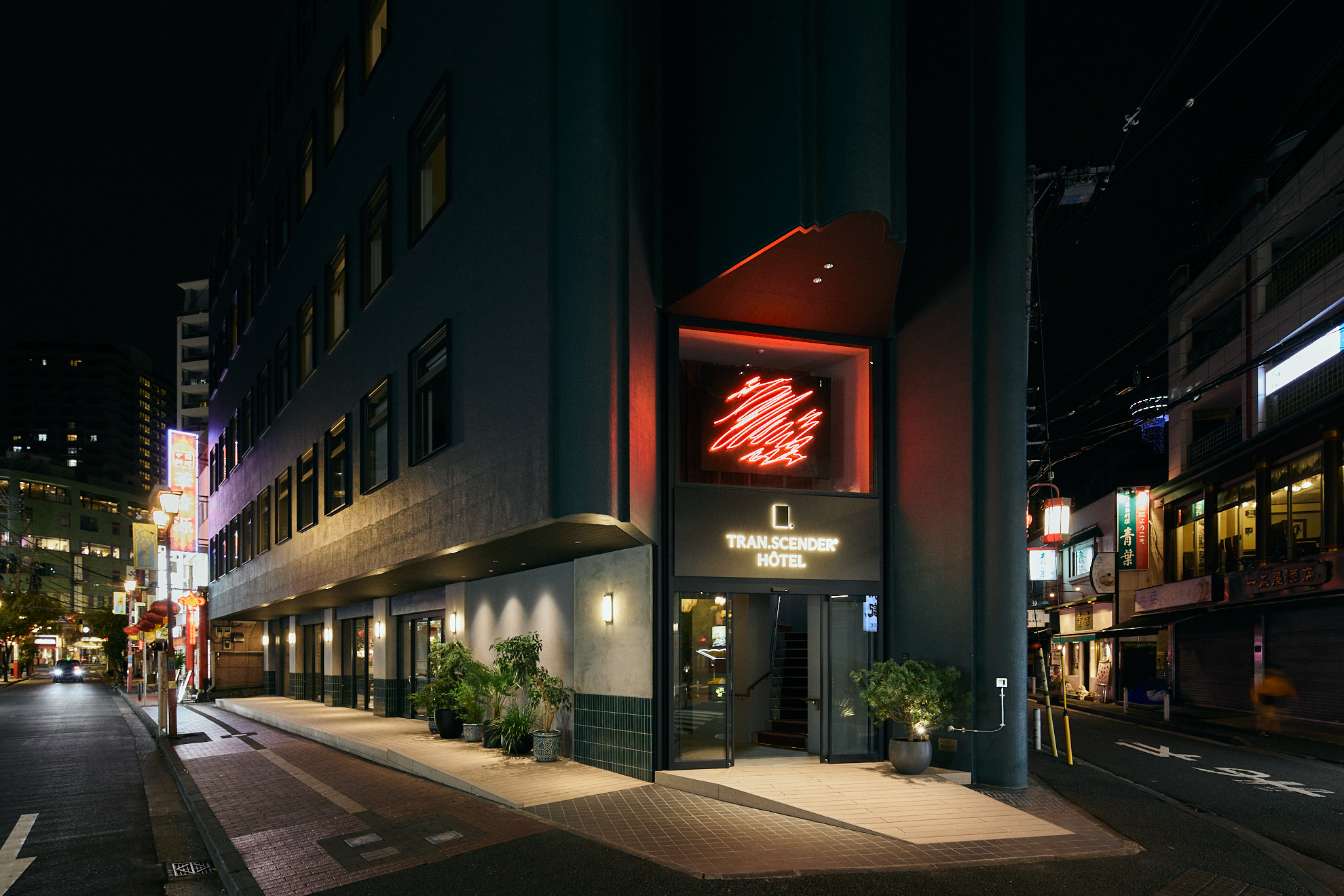
A large-scale restaurant that had been operating in Yokohama Chinatown for many years.
Instead of simply trying to bring back traditional banquet business, we started by asking, "What needs are currently unmet in this location?"
What became clear was a shortage of guest rooms suitable for families and groups, as well as a desire to experience Chinatown more deeply rather than just visiting for a meal.
From a few hours of use to overnight or multi-day stays, we chose to convert the building into a hotel to transform the very nature of how it generates value over time.
Experience Design
We created a reason to stay in Chinatown.
Our concept is "REVIVE." We aimed to create an experience that extends beyond the hotel walls, using your stay as a starting point to rediscover the city.
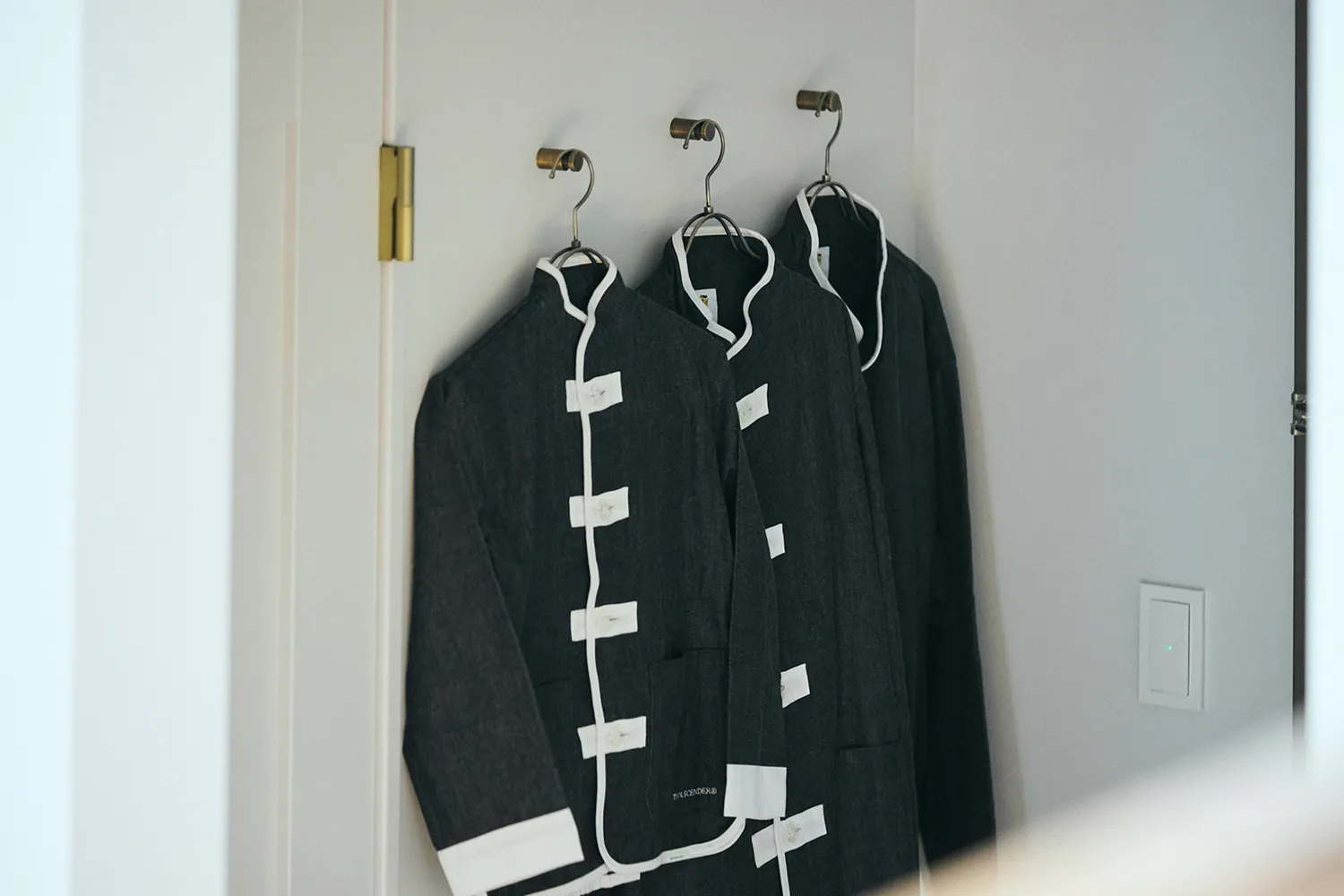


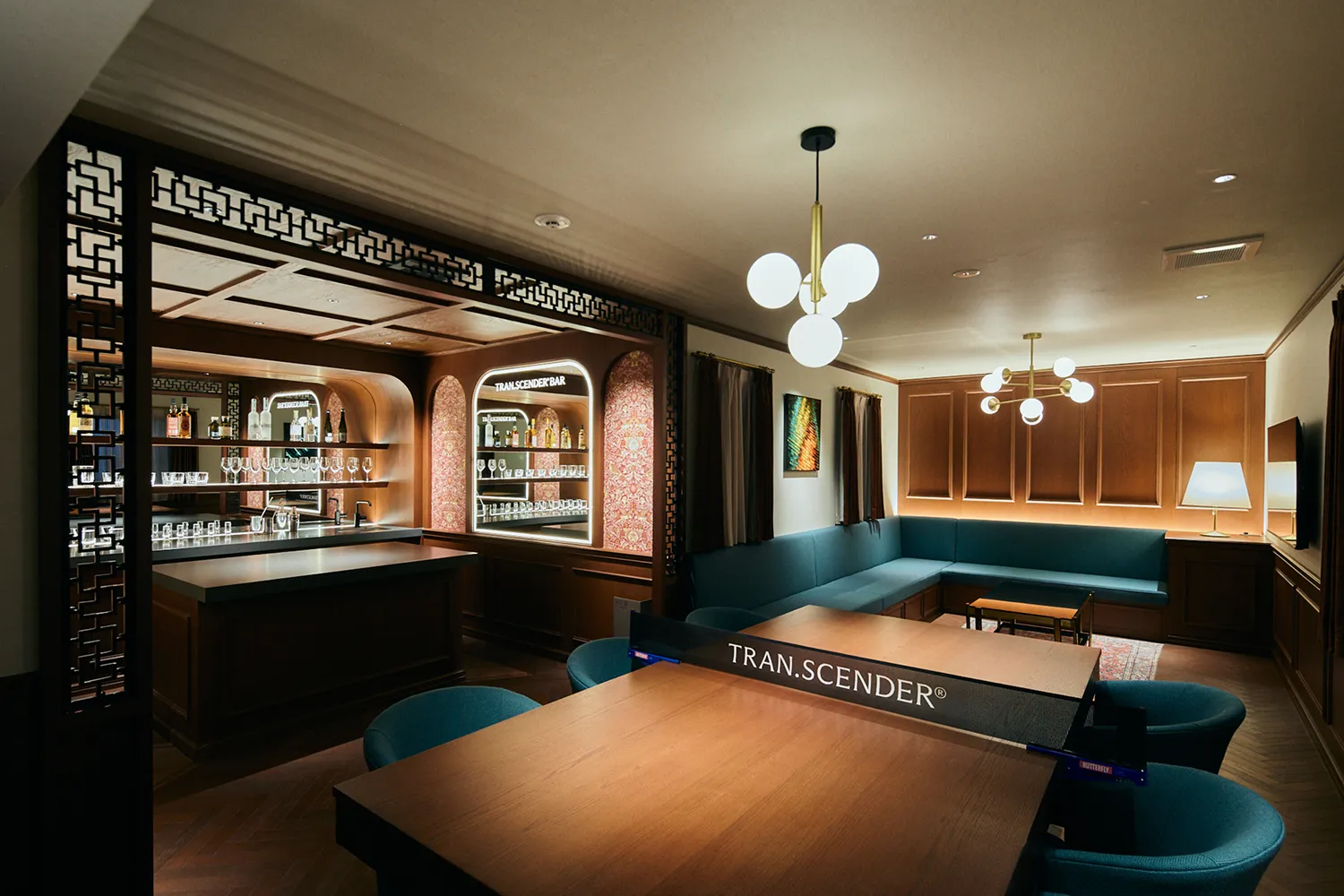
Four-company collaboration
Investment Plan
Repurposing a property only creates value once the business model is viable.
The former restaurant building was listed at a monthly rent of 7.7 million yen. According to the investment plan, rental income after conversion to a hotel is projected to grow from 6.58 million yen/month in the first year to 11.83 million yen/month in the second year and 14.5 million yen/month in the third year, exceeding the original rent from the second year onward.
Asking Rent
Year 1
Year 2
Year 3
Post-opening improvement
By increasing occupancy, we exceeded our RevPAR budget.
Rather than forcing price increases, we focused on creating compelling reasons for guests to choose us, capturing demand from families and groups to drive higher occupancy.
On a monthly basis, RevPAR exceeded the budget in four months and fell short in three. Despite some monthly fluctuations, the seven-month cumulative total is 2.8% above budget.
Continuous post-opening improvement
A hotel is not finished the moment it opens. We continue to refine its value by monitoring customer behavior and performance metrics.

Integrating business and real estate,
bridging planning and operations.
By doing so, we increase the value
generated by the same building.

Implementing value creation
across diverse real estate assets
The approach we implemented in Yokohama—rebuilding a business based on user needs—is not a unique solution limited to hotels.
Across diverse assets including offices, residences, and childcare facilities, we have consistently applied our method of identifying demand, designing the business, managing operations, and validating success through revenue and outcomes.
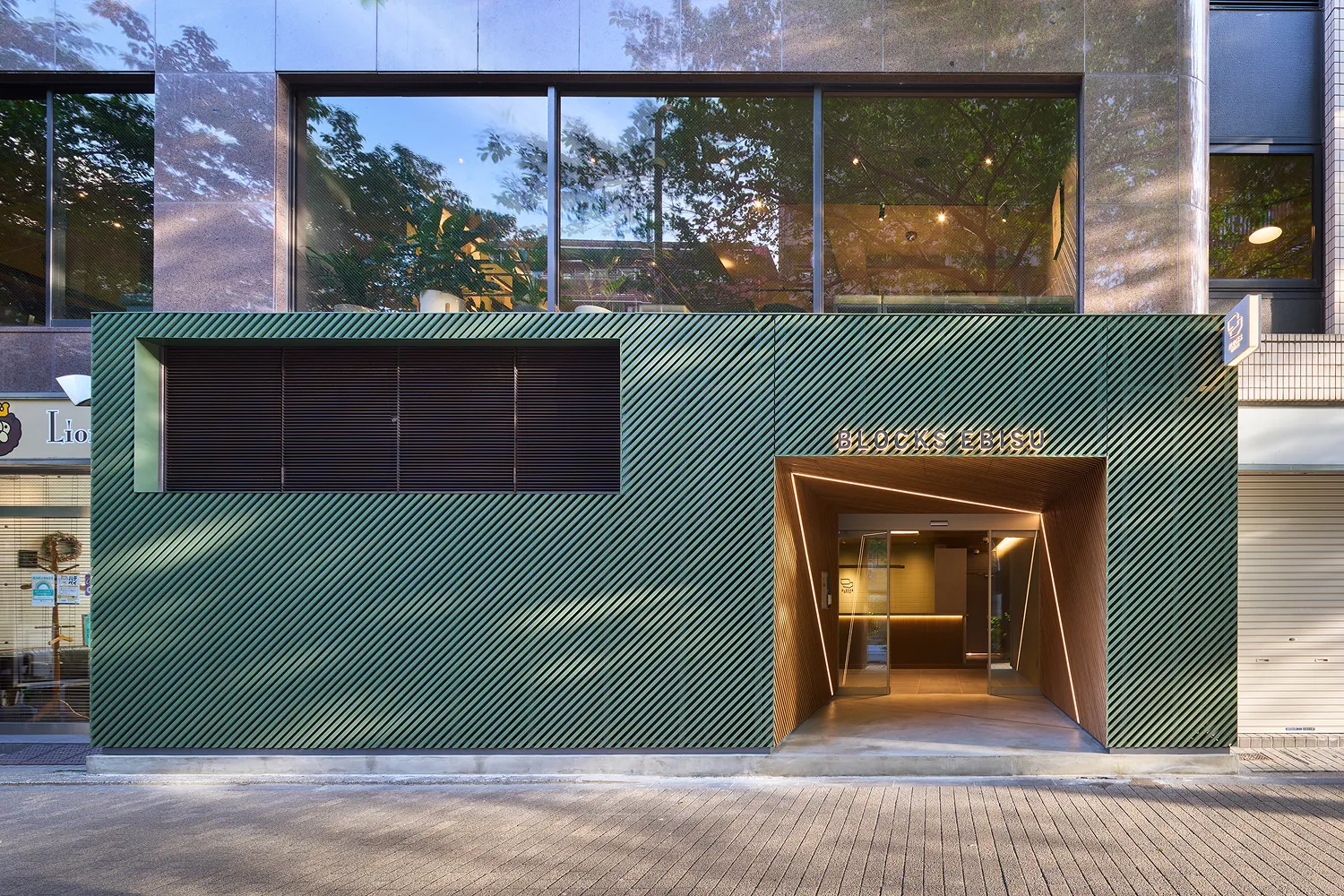
OFFICE
BLOCKS
Designing the reasons to be chosen, driving both occupancy and floor unit prices.
Addressing the needs of small businesses for "easy to lease, easy to work in, and easy to stay in" by redesigning everything from private offices, common areas, and meeting facilities to contract methods and digital user journeys into a single, cohesive product.
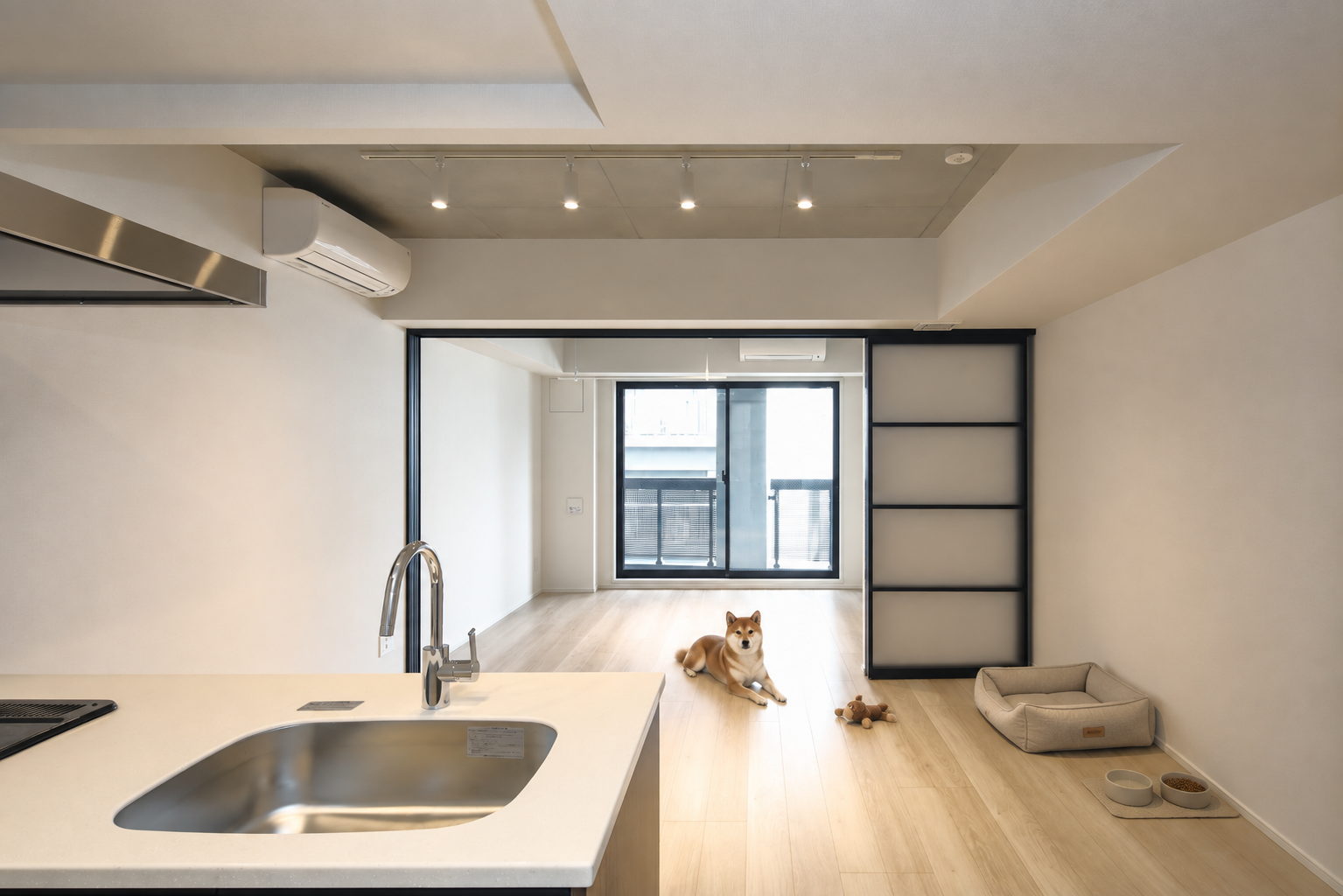
RESIDENCE
FLUFFY
Transforming unmet demand into viable, manageable products.
For the underserved demand of large-breed and multi-pet owners, we don't just relax restrictions; we redesign everything from facilities, flow, and tenant screening to house rules and communication.
Expanding our proven value creation
to corporate real estate.
PROFITZ' goal is not simply to increase the number of specific property types like hotels or offices.
We are now extending our proven methodology—identifying demand, designing the business, managing operations, and validating results through revenue—to real estate assets held by general corporations.
Headquarters, dormitories, training facilities, retail stores, and idle land must be considered in alignment with core business strategies and capital policies.
Rather than treating a property as a mere "listing" once it hits the market, PROFITZ aims to engage at the stage where a company first begins to consider the future of its real estate, helping to create options for its value.
Bringing this value creation
to corporate-owned real estate.
Bringing this
value creation
to corporate-owned
real estate.
Contact Us
CONTACT
You don't need to have already decided to sell.
Please feel free to consult with us as soon as you start wondering, "What should we do with this property?", "Is the current use optimal?", or "Are there other possibilities?"
PROFITZ does not jump to a single conclusion. Instead, we explore the next possibilities for your property by comparing multiple options, including continued ownership, improvement, repurposing, commercialization, and sale.