News
Profits' Initiatives and Updates
Launching a Strategic Initiative to Unlock Value in "Untapped Real Estate Assets ": Commercializing the "Next Potential" Hidden Within 352 Trillion Yen of Real Estate Stock
Profits Launches Strategy to Unlock Value in "Untapped Real Estate Assets " — Commercializing the "Next Potential" Hidden in 352 Trillion Yen of Real Estate Stock
Profits, Inc. (Headquarters: Chiyoda-ku, Tokyo; Representative Director: Shinichiro Tanaka; hereinafter "Profits") announced a real estate value creation strategy at a press conference on October 1, 2026, that identifies "Untapped Real Estate Assets" as a key business opportunity.
Uncirculated assets are properties that are not currently on the market and are not reaching their full potential due to their current usage or ownership structure.
The greatest potential for value creation lies in the period when owners are undecided between selling or continuing to use a property. Profits steps in at this stage to design usage, operations, and investment as a single, cohesive business.
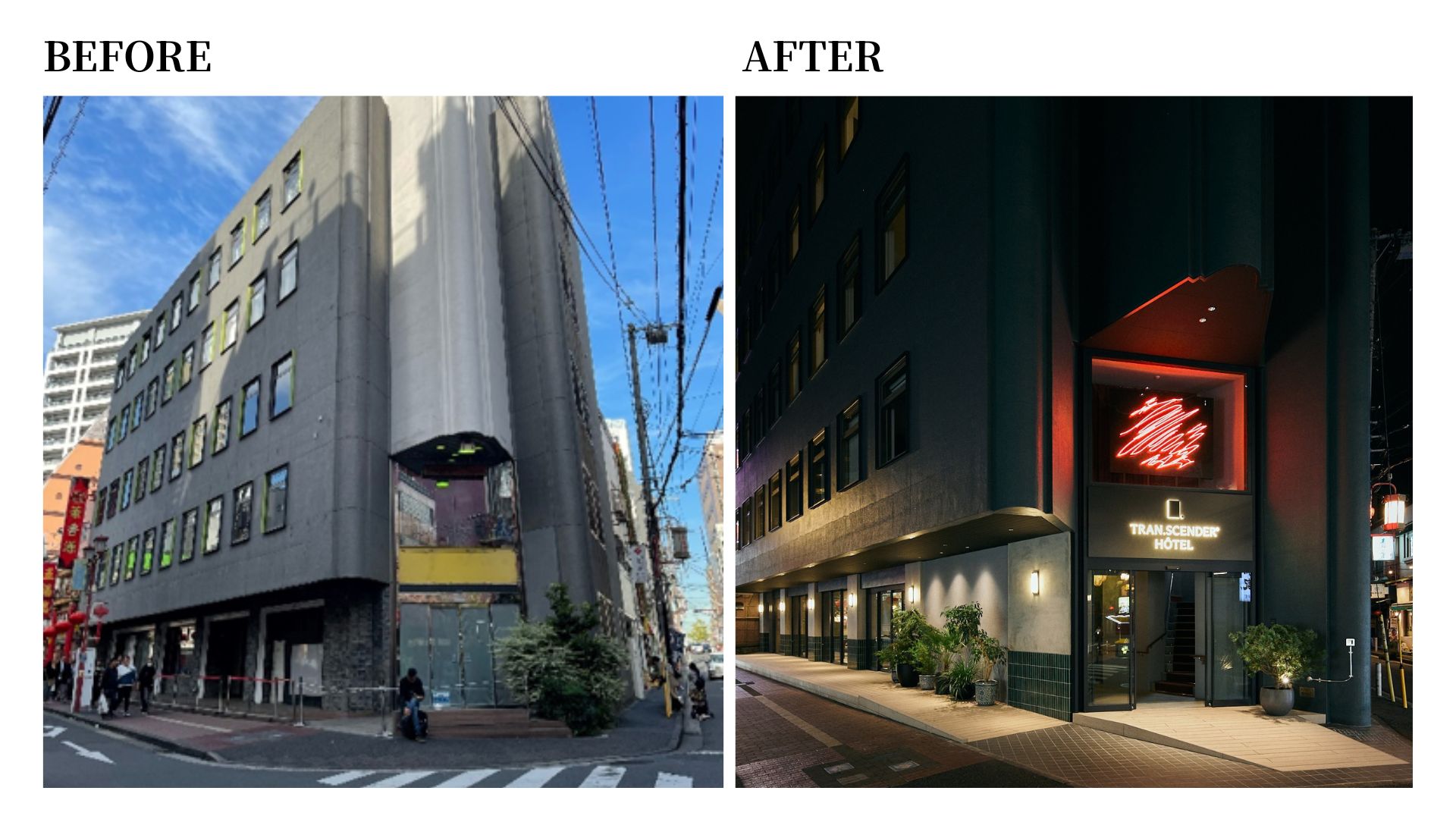
At the press conference, the company unveiled its first project: the conversion of a restaurant building in Yokohama Chinatown into "TRAN.SCENDER® HÔTEL Yokohama."
Background: Only about 2% of real estate stock is actively traded
While the value of income-generating real estate in Japan is estimated at approximately 352.1 trillion yen, annual transaction volume accounts for only about 1.8% of that total.*1.
Corporate headquarters, dormitories, training facilities, retail stores, and idle land—when it comes to long-held properties, management often says, "We aren't in trouble right now," "We haven't decided to sell," or "We just aren't sure if this is the best way forward." These properties often remain off the market, never compared against other options, and ultimately remain underutilized.
How Profits Defines "Untapped Real Estate Assets"
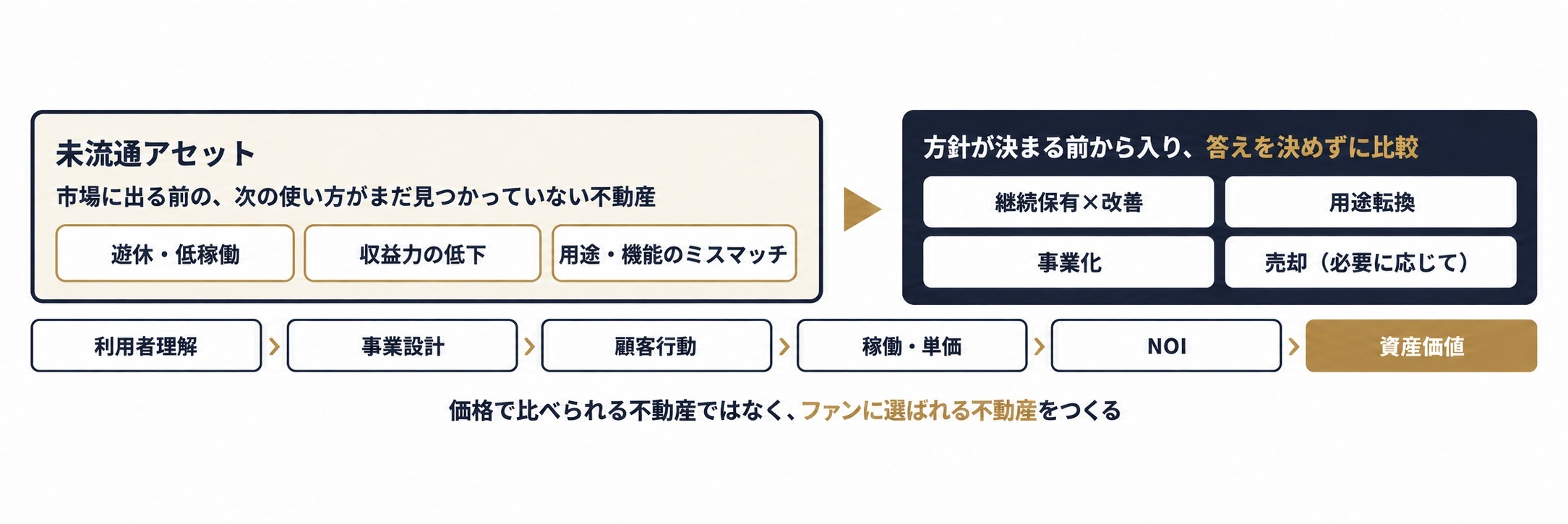
These are properties that are not on the market and are not reaching their full potential due to their current usage or ownership. Untapped Real Estate Assets are not "worthless properties"; they are properties for which a method of value creation has yet to be discovered.
Profits treats these properties as "businesses" rather than mere "real estate," getting involved before a utilization strategy is even set. We compare options such as continued ownership and improvement, repurposing, commercialization, and sale to explore the full potential of each property.
Key Feature: Designing Real Estate as a "Business"
This approach stems from an experience our CEO, Tanaka, had about 12 years ago with a building in Ginza.
When he requested a rent increase, the overseas owner at the time told him, "Finding someone who can pay higher rent isn't a business." Instead, he worked with the existing tenants to create a business plan that used building renovation funds to boost their sales. As a result, their performance improved, and the rent was increased accordingly.
"Don't look for tenants who can pay high rent; create a business that can support high rent." Profits has always designed usage, experience, operations, and investment as a single business, starting with demand. At the heart of this is the philosophy of "creating fans." To build properties that fans choose, we get involved before a strategy is set and compare all available options.
Case Study: Converting a Restaurant Building in Yokohama Chinatown into a Hotel
In Chinatown, the demand for banquets and dining has declined, leading to a surplus of large-scale restaurant floor space. Meanwhile, Yokohama as a whole has seen a rise in demand for lodging and extended stays, with the occupancy rate of major city hotels climbing from 78.0% in 2023 to 84.7% in 2025.*2.
Given this situation, we converted the restaurant building into a hotel to repurpose the large dining floors to meet the demand for accommodation.
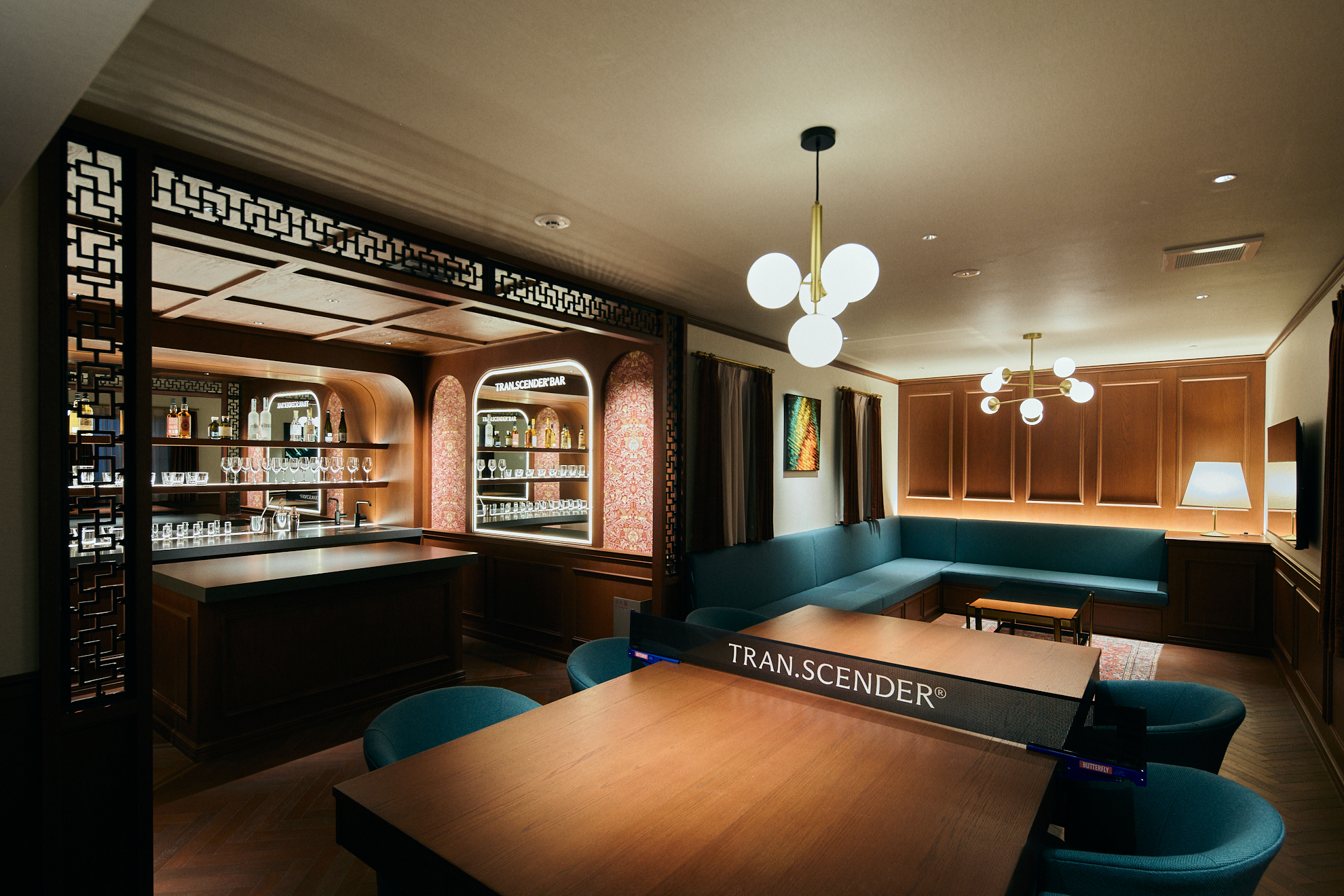
In collaboration with Orange and Partners Co., Ltd., we designed a guest experience centered on art, tea, fashion, and the local neighborhood, under the concept of "Revive: A hotel that revives people, sensibilities, and the city." From January to July 2026, the hotel outperformed initial projections, with an occupancy rate 10.5 percentage points higher and a Revenue Per Available Room (RevPAR) 2.8% higher than planned.
This approach of viewing real estate not just as a property, but as a business, has been applied not only to hotels but also to offices and residential projects.
In Ebisu, we transformed an office space for professionals into "BLOCKS OFFICE," a shared workspace for startups, and in the residential sector, we launched "FLUFFY," a concept focused on living with pets. By restructuring not just the usage, but also the users, operations, and services, we have successfully improved the profitability of these properties.
Outlook: Expanding to Real Estate Owned by General Corporations
Moving forward, Profitz will apply the value-creation methods we have practiced in hotels, offices, and residential properties to the utilization of corporate headquarters, dormitories, training facilities, retail stores, and idle land owned by general business corporations.
Beyond price and terms, we place the goal of increasing the number of people who "want to keep choosing that location" at the core of our real estate value creation. We work with companies to explore possibilities even before policies are finalized, designing businesses that build fans for the property by combining usage, experience, operations, and investment.
"Untapped Real Estate Assets" Special Page
Learn more about how Profitz defines "Untapped Real Estate Assets" and our initiatives toward real estate value creation.
URL:https://www.profitz.jp/untapped/
Overview of TRAN.SCENDER® HÔTEL Yokohama
Name: TRAN.SCENDER® HOTEL Yokohama
Address: 81-3 Yamashita-cho, Naka-ku, Yokohama, Kanagawa (3-minute walk from Motomachi-Chukagai Station on the Minatomirai Line)
Opening Date: November 14, 2025
Planning and Brand Design: Orange and Partners Co., Ltd.
URL:https://transcender.jp/yokohama/
*1 Asset scale of income-generating real estate: Based on "Japan's Real Estate Investment Market Size (2025)" by NLI Research Institute and Value Management Institute (published December 2025). Real estate investment volume (2025: 6.521 trillion yen): Based on "Japan Investment MarketView Q4 2025" by CBRE (published February 2026). The figure of approximately 352.1 trillion yen represents the estimated total stock of domestic income-generating real estate and does not indicate the market size of non-circulating assets themselves. The approximately 1.8% figure is our company's estimate derived from both datasets; as the scope and definitions of the surveys differ, this is a simple comparison.
*2 Source: City of Yokohama


