Discover Profits' track record of creating new value and demand in real estate.
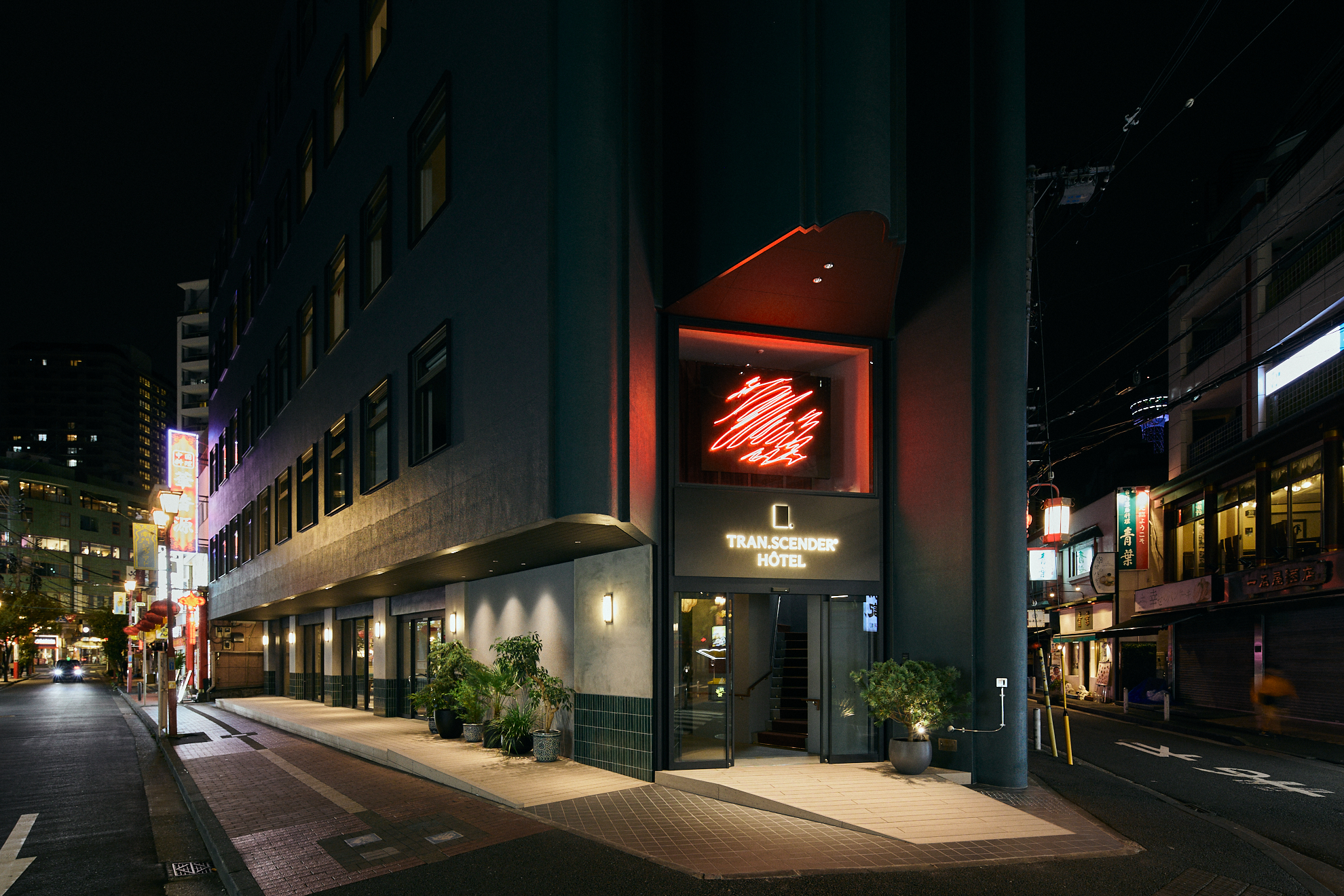
TRAN.SCENDER® HÔTEL Yokohama
Transforming a large restaurant building in Yokohama Chinatown into a hotel by addressing unmet demand
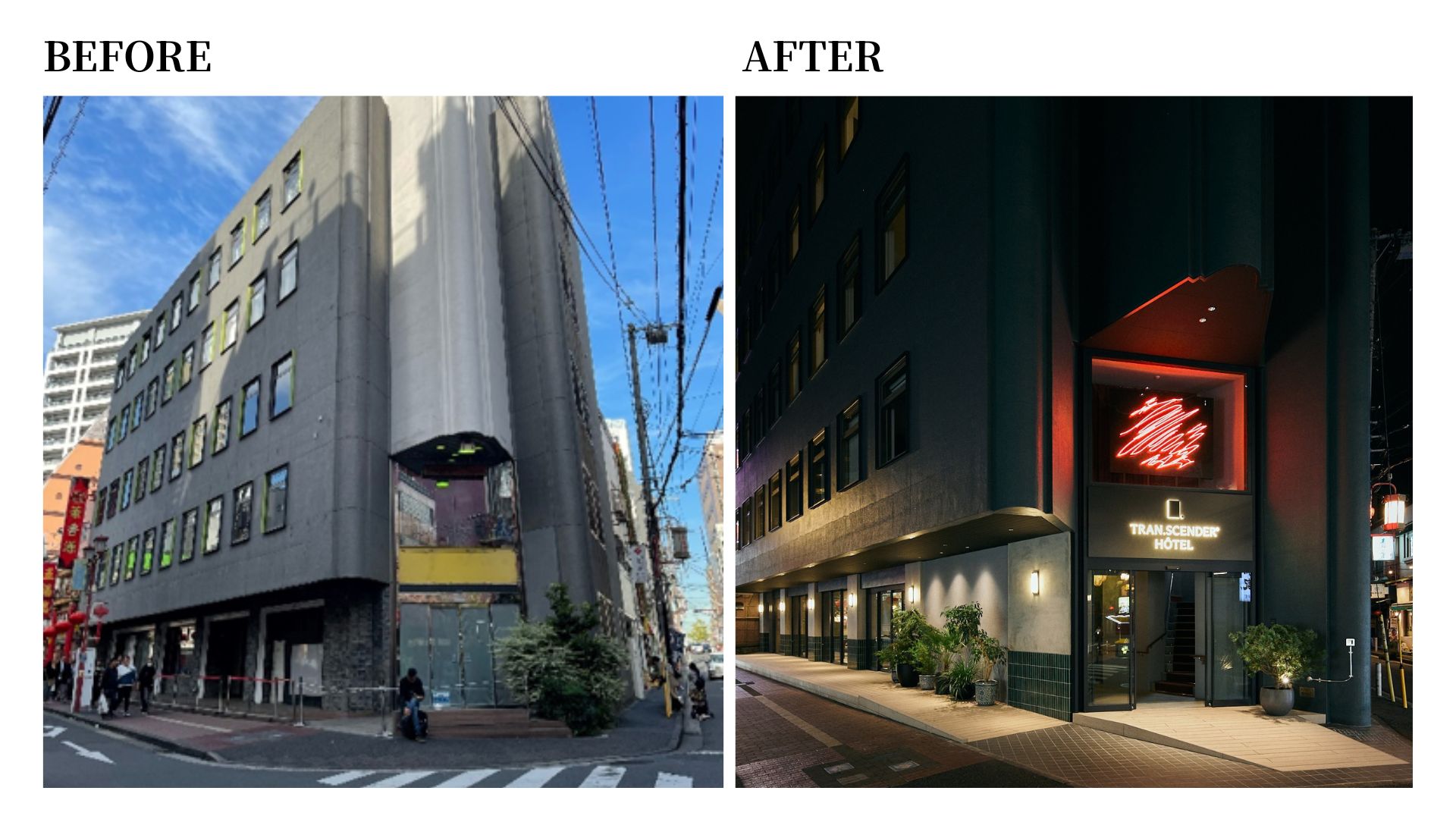
This project began when we were approached to acquire a building in Yokohama Chinatown that had long served as a large-scale restaurant before closing its doors.
We explored the potential of this property by asking ourselves: "What demand is currently not being met in this location?"
As a result, we chose to convert the building into a hotel. We designed the entire business—from branding and guest experience to operations—and collaborated with specialized partners to bring "TRAN.SCENDER® HÔTEL Yokohama" to life.
Here, we share the process of evaluating and realizing this project as a case study in identifying and commercializing the "next chapter" for an existing property.
Rethinking property potential without being bound by existing uses
The project started with an inquiry regarding the acquisition of a building in Yokohama Chinatown that had been a beloved local restaurant for many years before it ceased operations.
At the time, the building was at a crossroads, with no clear direction for its future use or ownership, and its full value remained untapped.
Rather than simply extending its previous use, we began the project by re-evaluating the location, market environment, and user needs to determine the best way to utilize the property moving forward.
From "What demand is unmet here?" to choosing a hotel
While Yokohama Chinatown is a popular destination, the demand for large-scale banquets and dining—which had sustained the building previously—was shrinking. Meanwhile, demand for overnight accommodations across Yokohama was on the rise.
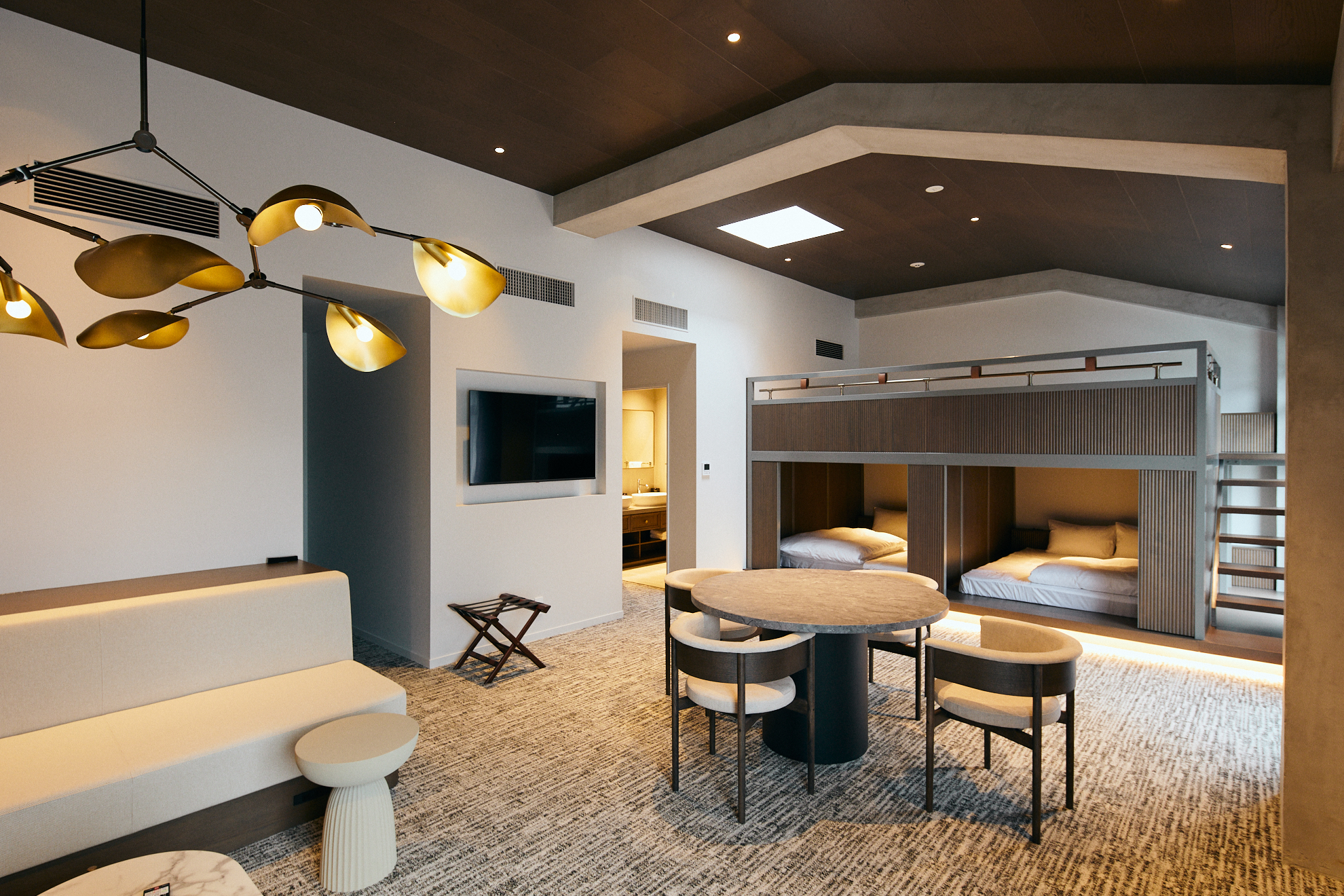
Looking at the lodging landscape in the Yokohama area, we found many relatively compact single and twin rooms, but limited options for families or groups of friends to stay together in the same room.
Through this market and user research, we identified an unmet need: a place where families and groups visiting Chinatown could stay together.
We then calculated the profitability and investment returns of a hotel conversion and decided that transforming the building into a hotel was the best way to meet this new demand.
The project shifted from a space used for a few hours of dining to a place for overnight and multi-day stays. The transformation into a hotel featuring rooms for large groups was officially underway.
Creating "reasons to stay in Chinatown" with our partners
After deciding to convert the property into a hotel, our goal was to maximize its value.
To achieve this, we designed the business not only by renovating the physical building but also by focusing on the "soft" aspects, including the brand, guest experience, and service. We chose to invest in creating reasons for guests to want to stay here, rather than simply restoring the building to a functional state at the lowest cost, thereby securing future profitability. Realizing this vision required combining expertise across multiple disciplines.
PROFITZ took the lead in investment, business design, and asset management, assembling a team of partners with the necessary expertise. Orange and Partners handled the concept, branding, and creative direction; OSKA & PARTNERS managed the architectural design; and Solare Hotels and Resorts oversaw hotel operations.
The brand concept born from this collaboration is "Revive." We didn't just think about the experience within the hotel; we derived this concept by interpreting the history of Yokohama Chinatown and how it evolved as a district. It embodies the idea of reviving the good old days, sparking new sensibilities, and refreshing the minds and bodies of our guests.
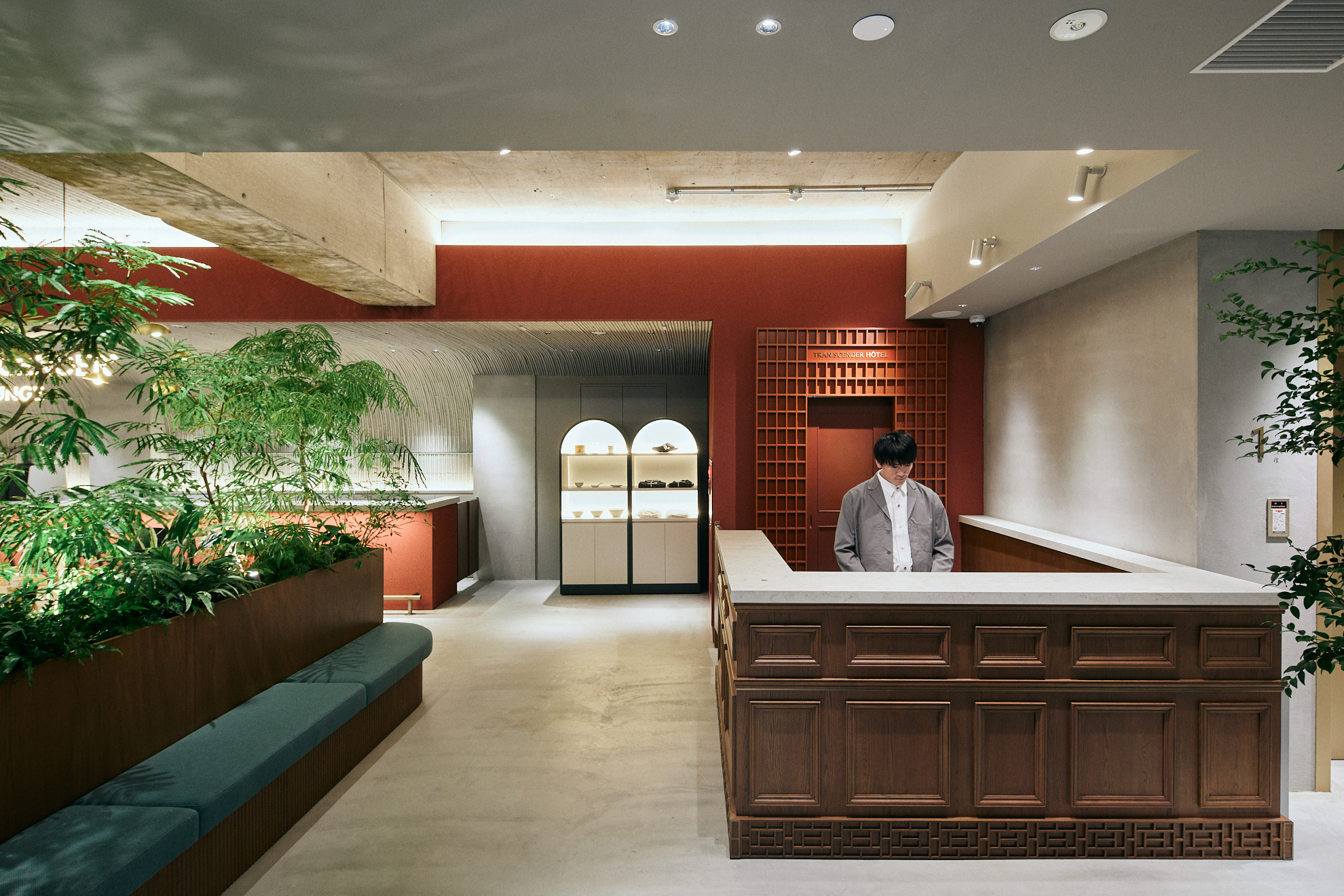
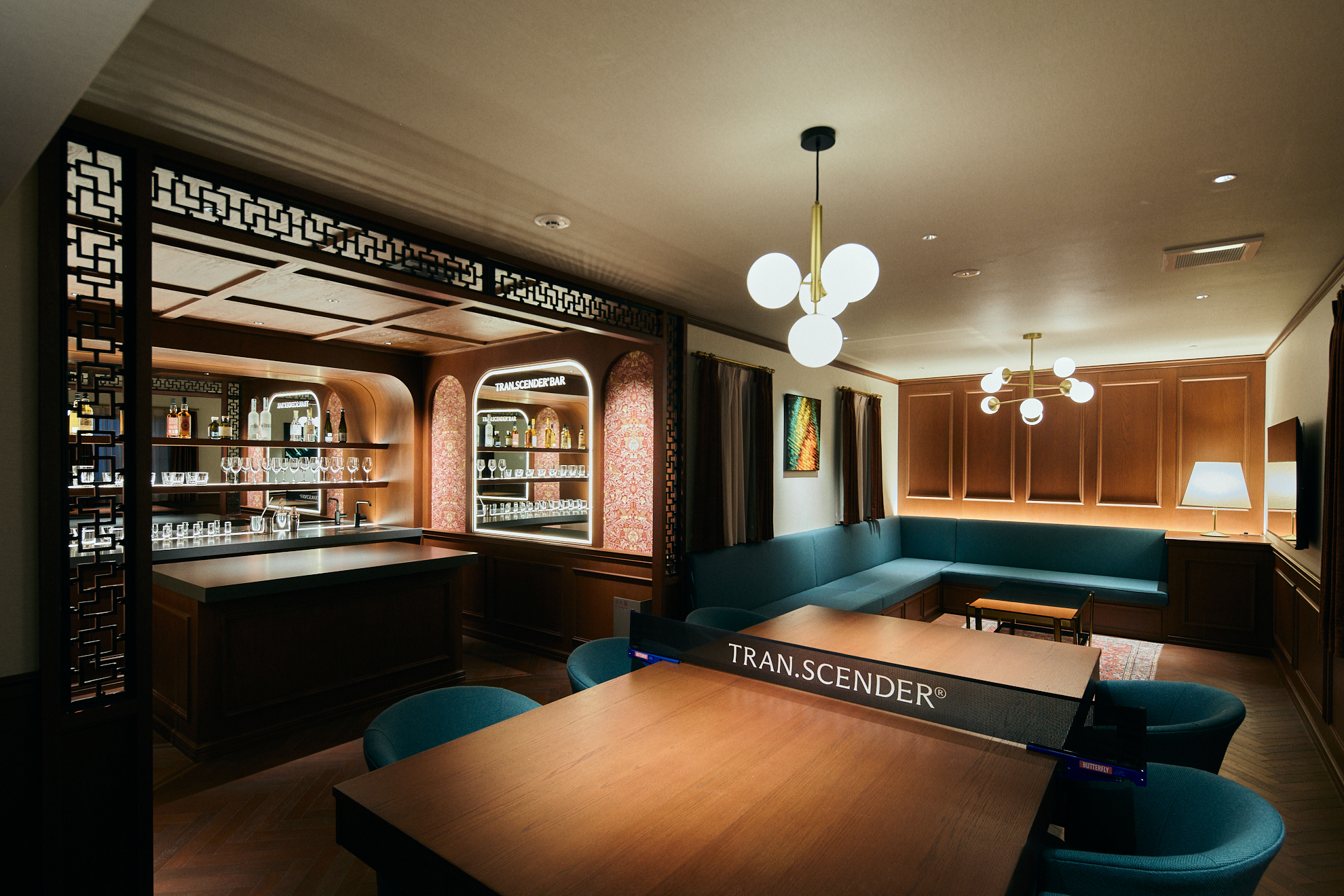
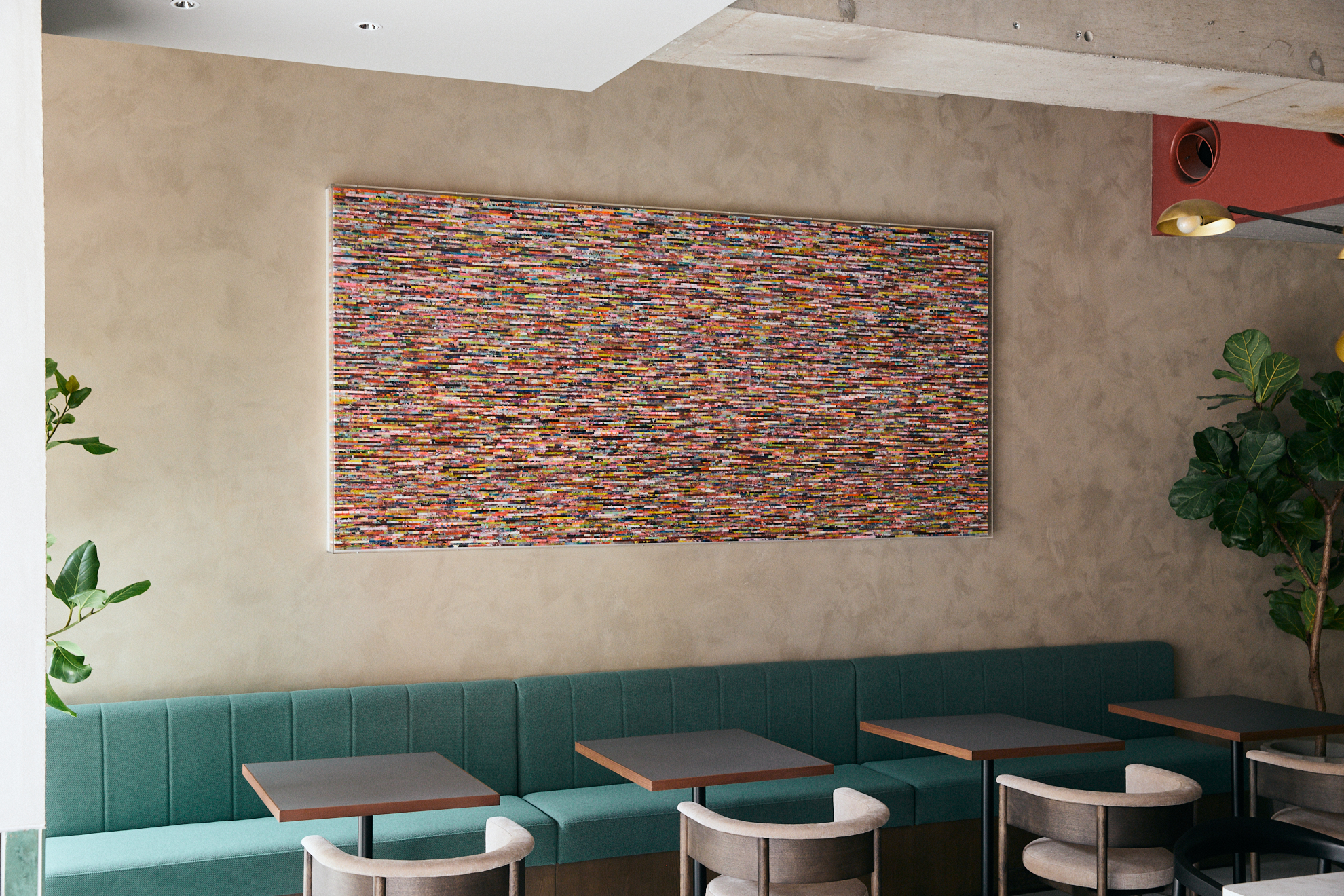
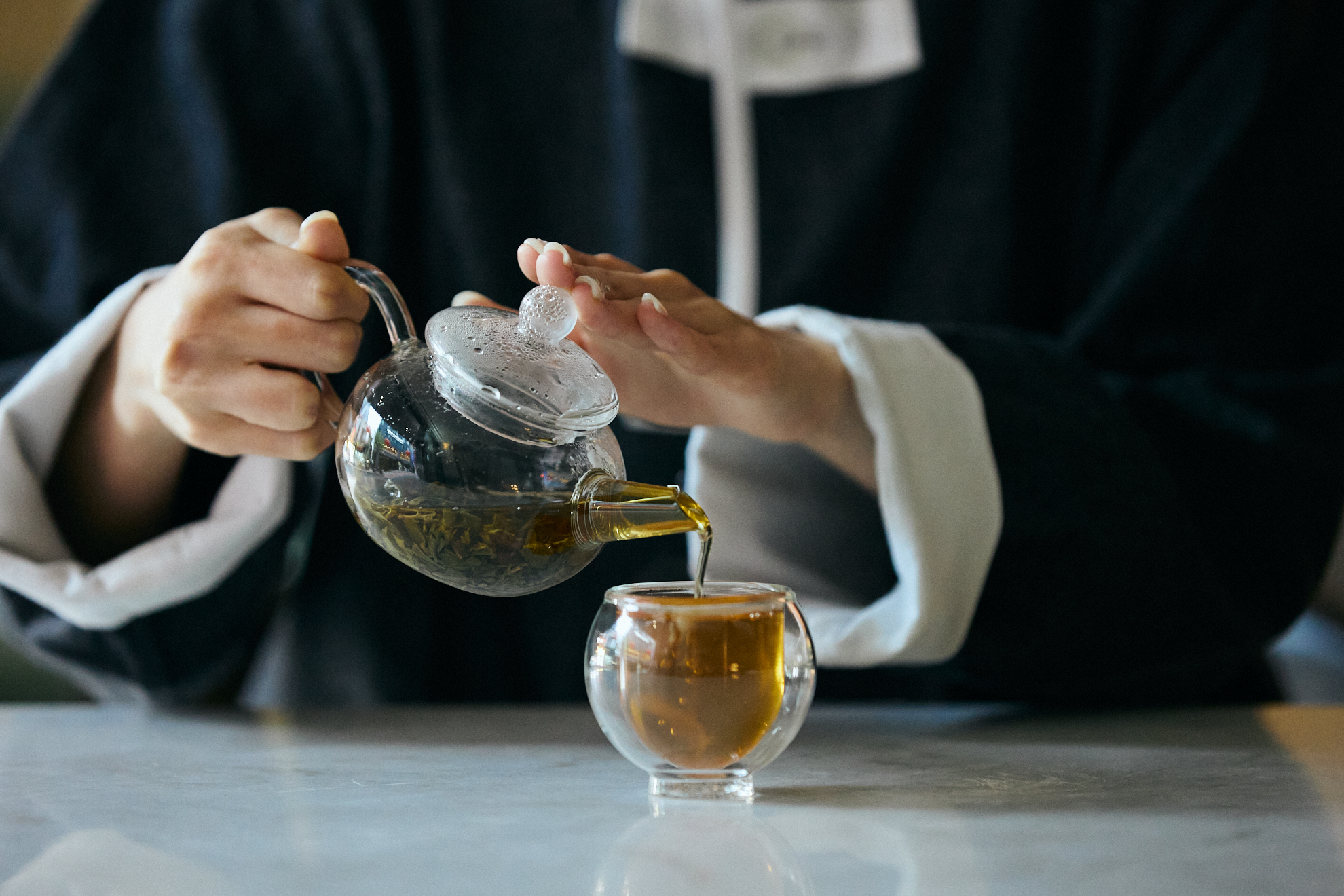
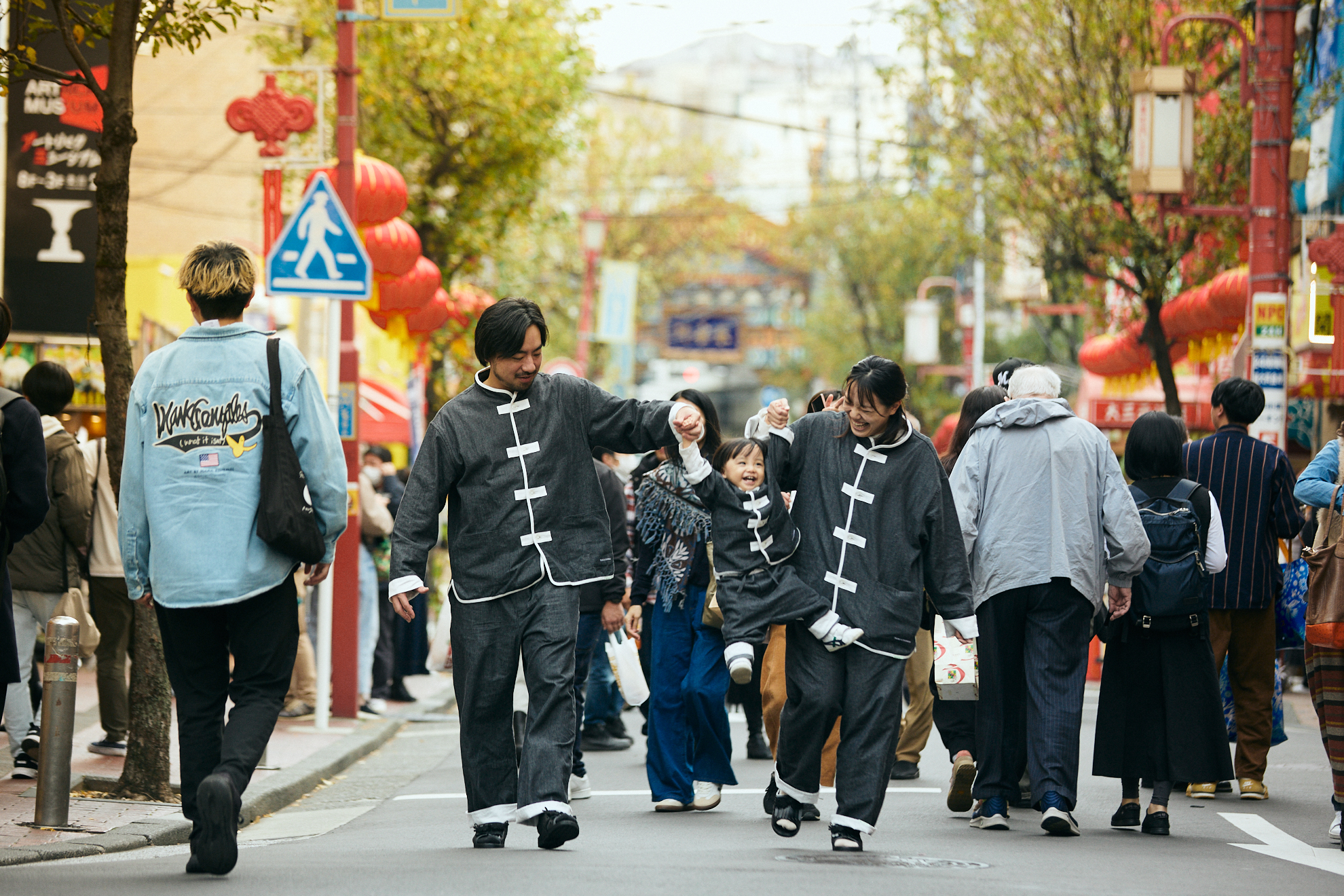
We treated elements such as the space, art, food, Chinese tea, loungewear, and local partnerships as components that create "the meaning of visiting this place," and we have expanded the concept of "Revive—a hotel that revives people, sensibilities, and the city—" into a variety of guest experiences.
By bringing together the expertise of each company, we integrated not only the building's use but also the experience and operations into a single cohesive business. In this way, we transformed our vision for value maximization into a concrete business reality.
Turning experiential value into a "reason to choose" and validating it as a business
At PROFITZ, we view investments in branding, experience, and service not as mere staging, but as business investments aimed at giving guests a "reason to choose this place." Creating reasons for guests to want to stay here—rather than being compared solely on price or conditions—and cultivating fans of the property is an essential part of our business design.
At the time of investment, we developed a business plan that projected higher profitability and investment returns from the hotel conversion compared with continuing to use the property as a restaurant. This plan links building renovations and investments in brand, experience, and service to future revenue.
Our work didn't end with the business plan. Even after opening, we continue to review our strategies—including room presentation, sales channels, breakfast offerings, lounge services, and event hosting—while monitoring guest feedback and performance data.
We compare metrics such as occupancy rates, ADR (Average Daily Rate), and RevPAR (Revenue Per Available Room) against our projections to verify how operational strategies are impacting revenue.
Understanding the user, designing the business, and managing operations. We translate the resulting changes in customer behavior into occupancy, rates, and revenue.
By repeating the cycle of planning, implementation, operation, and verification, we continue to increase the value of the real estate.
We are applying this expertise in identifying demand, rethinking property use, and improving business design and operations to create new ways of utilizing Untapped Real Estate Assets.
PHOTO / GALLERY
PROJECT DATA
RELATED INFORMATION
· Reservations now open for the new Yokohama Chinatown hotel, TRAN.SCENDER® HÔTEL Yokohama.


